| Llave Takeaway rehegua | Mba’épa He’ise Práctica-pe |
|---|---|
| Umi etiqueta inteligente oho ohóvo corriente principal-pe | NFC ha RFID ko’áĝa ojekuaa opaite cadena de suministro minorista, pharma ha hi’upyrãme - ndaha’éi logística valor yvate-pe añónte |
| AI oautomatisa hína cumplimiento ha control de calidad | Umi error etiqueta rehegua omoñepyrũva producto recall ojejagarra ohóvo oñeimprimi mboyve, ndahaꞌei rire |
| Sostenibilidad ojejeruréva legalmente, ndaha'éi opcional | Umi normativa envasado UE ha Reino Unido oempuja umi marca umi material etiqueta reciclable ha sin forro gotyo |
| Impresión de datos variables onivela pe campo de juego | Impresión digital mbykymi-ojapo etiqueta serializada ha personalizada ojeike hag̃ua umi fabricante mediado-tamaño-pe |
| Oúma Pasaporte de Producto Digital UE-pe | 2026 guive, umi categoría producto ojeporavóva ogueraha va’erã etiqueta escaneable ombojoajúva umi dato ciclo de vida completo rehe |
Yma peteĩ código de barras ha’e va’ekue suficiente. Peteî tira de línea morotî he'i escáner de caja-pe mba'épa okobra va'erã ha he'i almacén-pe mba'épa orestacava'erã. Ko’áĝa, upe espacio físico peteĩchagua peteĩ producto-pe ikatu overifika ijeho materia prima guive estante minorista peve, o’alerta peteĩ farmacéutico-pe oñeincumpli ramo condición ro’ysã-cadena-pe, térã omomýi peteĩ consumidor teléfono ohechauka haĝua marandu abastecimiento rehegua.
Pe futuro tecnología etiquetado rehegua ndaha’éi peteĩ concepto mombyry. Oñemoañetéma opaite mba’e ojejapóva, hi’upyrã, tesãi ha ñemuha - rupive, omongu’éva mbohapy mbarete oguahẽva peteĩ jeýpe: umi consumidor ojeruréva tuichave producto transparencia, cadena de suministro okakuaáva compleja ha regulada, ha umi gobierno omoingéva umi requisito de cumplimiento duro ohypýiva directamente mba’e etiqueta oguerekova’erã ha mba’éichapa ojehupytyva’erã upe marandu.
Ko guía oñemomba’e siete tecnología clave odefiníva moõpa oho etiquetado, mba’éichapa ojeporu industria rupive, ha mba’épa ojehechava’erã oñeinverti mboyve.

Mba’érepa Tecnología de Etiquetado Oĩ peteĩ Punto de Inflexión-pe
Pe tape iporãvéva oñentende hag̃ua etiquetado evolución haꞌehína peteĩ cambio simple mbohapy-etapa:
- Momarandu:pe etiqueta tradicional he’i ndéve mba’épa pe producto ha mba’épa hepykue.
- Mbojoaju:pe etiqueta moderna ombojoaju producto físico peteĩ registro digital - peteĩ base de datos cadena de suministro rehegua, peteĩ kuatia ñemboaje rehegua, peteĩ sistema producto jekuaaukarã.
- Jekupyty:pe etiqueta osẽva ombohapéva consumidor térã operador directamente - omoñepyrũvo peteĩ experiencia, ombohapévo datokuéra jegueraha aravo añeteguáva-, térã omongaru jey marandu peteĩ sistema empresarial-pe.
La mayoría umi operación oguapy peteĩ hendápe pe transición mokõi etapa tenondegua apytépe. Umi tecnología oĩva iguýpe omombe’u mba’éichapa ojehecha mbohapyha etapa - ha mba’éichapa ikatu ojehupyty upépe oñeinverti’ỹre.
7 Tecnologías Clave Omohendava’ekue Etiquetado Futuro
1. Etiqueta Inteligente: NFC ha RFID
Umi etiqueta inteligente omoinge peteĩ microchip ha antena directamente pe sustrato etiqueta rehegua. Mokõi tecnología oñemombaꞌe ko espacio rehe: Comunicación de Campo Cercano (NFC) ha Radio-Identificación de Frecuencia (RFID). Py’ỹi oñeñe’ẽ oñondive ha katu oservi fundamentalmente diferente propósito-pe.
| Heseguáva | NFC rehegua | RFID (UHF) rehegua . |
|---|---|---|
| Omoñe’ẽ mombyry | 10 cm peve | 10 m+ peve |
| ¿Oñeikotevẽ moñe’ẽhára? | Ndaipóri - mba’eveichagua teléfono inteligente ko’ag̃agua | Heẽ - escáner térã okẽ oñembohekopyréva |
| Umi káso jeporu tenondegua | Autenticación consumidor rehegua, umi desencadenante lealtad rehegua, interacción marca rehegua | Seguimiento almacén, conteo inventario, visibilidad cadena de suministro rehegua |
| Iporãvéva | Consumidor-ombohováiva umi joaju | Umi tembiaporã-oñembohováiva tembiaporã rape rehe |
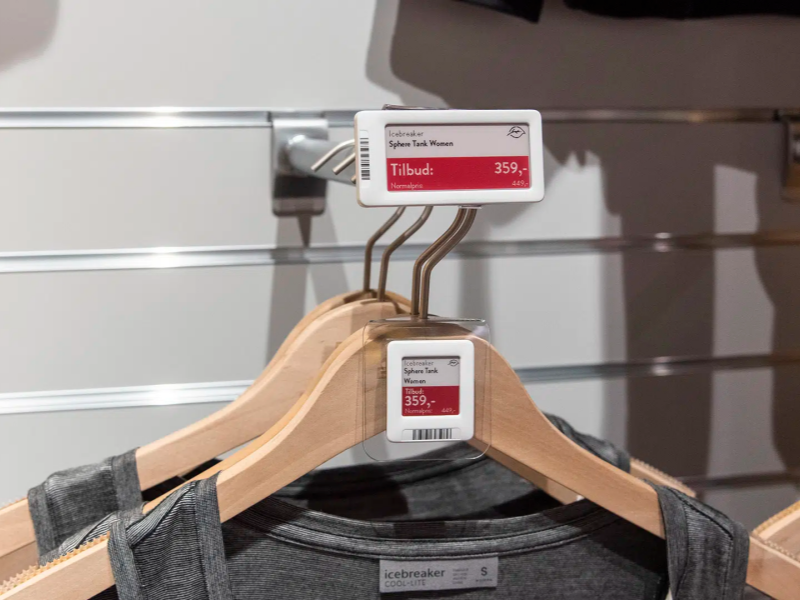
Peteĩ marca bienes de consumo premium-pe g̃uarã, NFC oheja peteĩ ojoguávape opoko iteléfono-pack-pe omoañete hag̃ua autenticidad térã oike hag̃ua producto contenido - noñeikotevẽi app ñemboguejy. Peteĩ ñemuha oisãmbyhýva miles de SKU, UHF RFID ombohapéva inventario jepapa ogueraháva minuto aravo rangue, noñeikotevẽiva línea-de-escaneo jesareko rehegua.Umi etiqueta electrónica estante reheguaoñembojoaju ohóvo RFID infraestructura ndive omoheñói hag̃ua estante-sistema-pe-mba’apoha rape oñembojoajúva hekopete.
Pe regla práctica: eiporavo NFC pe interacción oñeha’ãva ha’éramo consumidor-oñembohovái jave; eiporavo RFID pe prioridad ha’éramo rendimiento operativo. Ko'ã mokõi ndaha'éi intercambiable, ha ombojoajúvo ogueru decisión inversión ndojoajúiva. Eikuaave upéva reheguaumi etiqueta estante electrónico minorista reheguaha mba’éichapa oike hikuái umi despliegue etiqueta inteligente-pe.
2. AI-Etiqueta Ñemboguata ha Automatización Cumplimiento rehegua
Inteligencia artificial oike hína tembiapo etiquetado rehegua heta punto-pe. Pe aplicación oguerekóva impacto ko’áĝaite ndaha’éi diseño pya’eve - ha’e automatización cumplimiento rehegua, omboguejýva directamente riesgo umi producto recall hepyetereíva rehegua.
AI-powered labelling systems cross-reference label text against current regulatory databases in real time, flagging missing allergen declarations, non-compliant font sizes for mandatory nutritional information, or incorrect country-of-origin formats before a single label is printed. In regulated categories, a single labelling error can trigger a recall costing hundreds of thousands of pounds in product withdrawal, logistics, and brand damage - a cost that dwarfs the investment in compliance automation.
Ohasávo pe cumplimiento, umi sistema visión máquina-aprendizaje rehegua ohecha impresión calidad línea de producción velocidad-pe - ojagarrávo umi falla lectura código de barras rehegua, desalineación ha defecto tinta rehegua ndaikatúiva ojagarra jeroviapyrãme inspección manual volumen-pe. Umi operación mohendahárape g̃uarã ndorekóiva-ogapypegua katupyry diseño rehegua, tembipuru diseño AI rehegua koꞌág̃a omoheñói etiqueta ñemohenda oñembojoajúva umi producto dato jeike guive, oñembohysýivo tembiapo arte apo ára guive aravo peve.
Peteî advertencia importante: ndaipóri sistema de cumplimiento AI oipe'áva tekotevê revisión regulatoria calificada, particularmente fabricación farmacéutica térã hi'upyrãme. Ko’ã tembipuru omboguejy umi tasa de error; ha’ekuéra nomyengoviái yvypóra rendición de cuentas. Ehesa’ỹijo mba’éichapatecnología etiqueta electrónica estante reheguaomoinge hína AI-mba’e’oka ñembopyahu ha ñemboaje rehegua.
3. Materiales de Etiqueta Sostenible ha Tecnología Sin Forro rehegua
Pe cambio umi material etiqueta sostenible gotyo ndaha’evéima impulsado preferencia de marca añónte. Legislación responsabilidad ampliada productor (EPR) Reino Unido-pe ha umi normativa envasado UE omoheñói umi requisito cumplimiento mbarete ojeréva reciclabilidad material ha reducción de residuos - ohypýiva directamente decisión especificación etiqueta.
Umi material clave ohupytyva tracción oime umi película de etiqueta basada planta-o oúva caña térã almidón de maíz-gui, adhesivo compostable oñembyaíva oheja'ÿre residuo químico, sustrato contenido post-consumidor reciclado (PCR) ha umi etiqueta soluble y-o ojeporúva ojeporu jeyhápe mba'yru oikotevëhápe residuo-remoción libre.
Ko tendencia ryepýpe, umi etiqueta sin forro omerece atención específica. Umi etiqueta yma guaréva ojejapo peteĩ kuatia respaldo revestido silicona-pe - pe forro - oñemboykéva ojeporu rire. Umi etiqueta sin forro omboyke ko corriente de residuos enteramente, tuicha omboguejýva consumo material por-rollo ha ombohetavévo rendimiento etiqueta por rollo. Umi operación-volumen yvate rehegua, umi ganancia eficiencia rehegua oñemboheko pyaꞌe. Pe trade-off: etiqueta sin forro oikotevẽ aplicador ha impresora ojogueraháva, upévare adopción oguerekove sentido peteĩ tembipuru ñembopyahu oñeplanifika vaꞌekue apytépe peteĩ intercambio material ijeheguigua rangue. Emoñe’ẽve upéva reheguaetiquetado electrónico estante reheguaoñemboja ombojoajúva umi formato linerless umi sistema de visualización digital ndive.

4. Datokuéra impresión variable ha On-Demand Personalización
Impresión de datos variables (VDP) oheja peteĩteĩva etiqueta peteĩ producción jeguata-pe ogueraha hag̃ua marandu iñambuéva - peteĩ número de serie peteĩchagua, peteĩ región-texto regulatorio específico, peteĩ ñe’ẽ iñambuéva térã peteĩ marandu personalizado - ojoko’ỹre prensa térã omoambue’ỹre chapa.
Mbohapy káso jepuru rehegua omboguata hetave interés comercial:
- Serialización farmacéutica rehegua: 1.1.umi mandato regulatorio EE.UU. ha UE-pe ojeruréva opavave paquete de medicamento individual ogueraha haguã identificador único. VDP haꞌehína mbaꞌeichaitépa umi mbaꞌeapoharakuéra ombohovái ko mbaꞌe ojejeruréva producción velocidad-pe.
- Multi{0}}mercado producto ñepyrũrã:peteî carrera producción añoite ikatu oservi múltiple mercado destino, cada etiqueta ogueraháva texto regulatorio correcto jurisdicción orekóvape guarã.
- Diferenciación directa-a-consumidor-pe:umi etiqueta envasado personalizado escala-pe, péva investigación ohechauka constantemente ojupíha valor percibido producto umi categoría consumidor competitivo-pe.
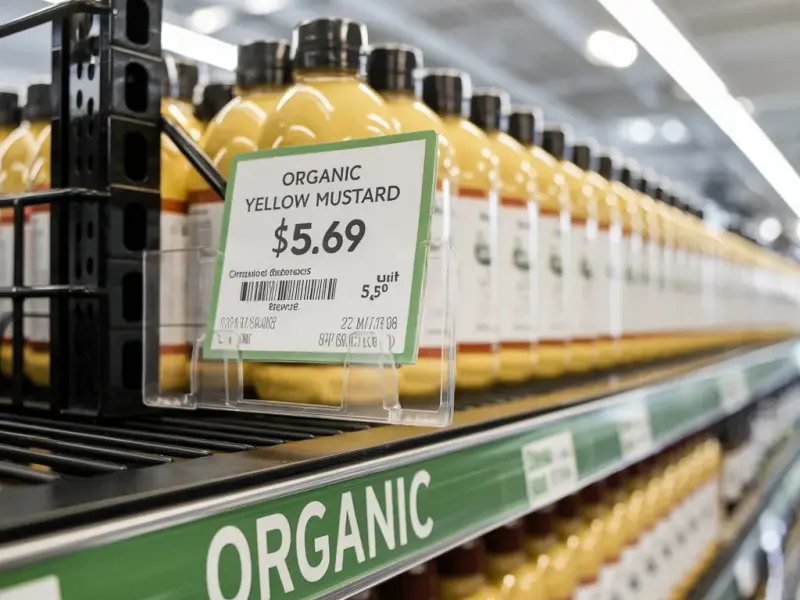
Digital printing - which requires no plate setup - is the enabling technology. It makes short runs economically viable, removes the pressure to order large label quantities to justify setup costs, and allows label content to be updated when formulations or regulations change without obsolete stock write-offs. Pantalla precio electrónico señalización digital reheguaombohape ko’ãva on-demand lógica estante rembe’ýpe, ko’ápe precio ha contenido promocional oñembopyahu tiempo real-pe etiqueta ykére oñemoambue.
5. IoT Ñembojoaju ha Tiempo Real-Tiempo Cadena de Suministro jehecha
Umi etiqueta oñemboguapýva sensor térã identificador oñembojoajúva ndive oservi nodo de datos-colección ramo peteĩ red cadena de suministro IoT ryepýpe - ohasáva seguimiento-gui jesareko tekoha rehegua activo-pe.
Umi aravo-temperatura jehechaukaha (TTI) oĩ umi techapyrã okakuaavéva ñemurã apytépe. Peteĩ etiqueta TTI omoambue color irreversiblemente peteĩ producto oñembohasáramo temperatura okápe i’rango seguro-gui, ome’ẽva peteĩ señal visual pya’e umi manipulador ha inspector-kuérape oimeraẽ punto cadena-pe. Umi versión sofisticadavéva oregistra perfil temperatura completo tránsito pukukue ha ombohasa inalámbrico ojeescanea jave umi punto de control-pe.
Ñapensamína peteĩ escenario práctico rehe: peteĩ productor tembi’u listo-enfriado oñemondova’ekue heta centro de distribución rupi oipuru etiqueta temperatura-registro rehegua opaite paleta-pe. Oiko jave peteĩ incumplimiento cadena ro'ysã-parte logística mbohapýha-parte-pe, umi dato etiqueta rehegua ohechauka porã pe pierna de tránsito exacto - ombohapéva peteĩ recall ojepytasóva ohypýiva decenas de paquetes ndaha'éi peteĩ retiro precautorio ocubri miles. Upe especificidad ha’e pe diferencia oĩva peteĩ evento de calidad manejable ha peteĩ incidente marca significativo apytépe.
The integration requirement is real: IoT labels generate data that only creates value if it flows into systems capable of acting on it - inventory platforms, quality dashboards, ERP systems. Assess data infrastructure readiness before investing in IoT-enabled label technology.
6. Código QR, AR, ha GS1 Sunrise 2027 Transición rehegua
Umi código QR ohasa porã "escanea ojevisita haguã sitio web". Peteĩ producto hi’upyrã rehegua ko’áĝa, peteĩ código QR ikatu ojoaju directamente pe granja ojegueru haguépe pe ingrediente primario, ohechauka declaración alérgeno completo heta ñe’ẽme, térã umi certificación sostenibilidad superficial físicamente ndaikatúiva oike etiqueta-pe.
Umi etiqueta realidad aumentada - oimehápe escaneo cámara rupive ocubri contenido digital producto - opyta peteî aplicación nicho, ojeporúva tenonderãite umi bebida premium, cosmético ha mba'erepy lujoso oimehápe experiencia interactiva oipytyvõva marca rembiasakue. Hetave tembiapo etiquetado B2B-pe g̃uarã, AR ndahaꞌei peteĩ prioridad hiꞌaguĩva-término-pe.
What is a near-term priority is the GS1 Kuarahy resê 2027 rembiaporã, under which traditional linear barcodes are scheduled to be replaced by 2D codes - including QR codes and Data Matrix codes - as the primary retail point-of-sale scanning standard across major markets. Label designs created or significantly refreshed before 2027 should incorporate 2D code compatibility. This is not a discretionary upgrade; it is a planned transition with a defined industry timeline. Learn more about systems that are already built around 2D code infrastructure.
7. Tecnología de Cumplimiento Regulatorio ha Pasaporte Producto Digital rehegua
Umi mba’e ojejeruréva reglamentario ndaha’éi típicamente enmarcado peteĩ tendencia tecnológica ramo, ha katu pe escala umi obligación cumplimiento oúva rehegua omboguata directamente inversión tecnología etiquetado rehegua - ha kóva ha’e pe área oñeñe’ẽvéva-cobertura general industria-pe.
EU Digital Product Passport (DPP).Unión Europea mba'évaEcodiseño rehegua Reglamento de Productos Sostenibles (ESPR) rehegua . requires a growing range of product categories to carry a Digital Product Passport - a scannable label linking to a structured dataset containing the product's materials, repairability, carbon footprint, and end-of-life instructions. Phase-in begins with batteries, textiles, and electronics from 2026, with additional categories following through 2030. Companies exporting to the EU need to begin planning DPP infrastructure now, not when the first deadline arrives.
UK Extended Producer Responsibility (EPR).Legislación EPR Reino Unido-gua ojeruréva umi empresa omoîva mercadería envasado mercado Reino Unido-pe omombe'u ha ofinancia haguã costo de reciclaje envase orekóva. Umi etiqueta ndojoajúiva reciclabilidad envase huésped rehegua ohypýi peteĩ marca cálculo EPR cumplimiento rehegua - ojapóvo especificación material etiqueta rehegua peteĩ decisión regulatoria, ndaha’éi peteĩ operativa añónte.
Pharmaceutical serialisation. The EU Falsified Medicines Directive (FMD) and the US Drug Supply Chain Security Act (DSCSA) require prescription medicines to carry unique identifiers that can be verified at the point of dispensing. Label printing systems operating in this environment must be validated for the accuracy and production-speed requirements these mandates impose.
Research consistently shows that a majority of consumers check food product labels before purchasing - and their expectations have expanded well beyond price and basic ingredients. They want origin information, allergen clarity, and environmental credentials. For food producers, this consumer shift intersects with incoming regulatory requirements for more detailed allergen declarations and cross-contamination risk disclosure.
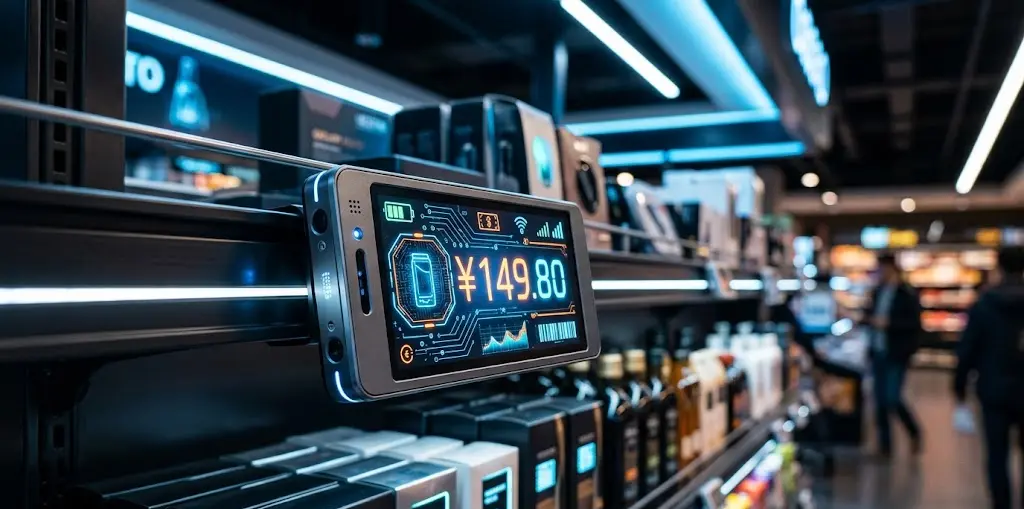
Umi etiqueta inteligente orekóva código QR oñemohenda porã-ko’ápe, ombohapéva umi marca-pe osẽ hag̃ua superficie marandu producto oñembotuicháva digitalmente oñembosaraipa’ỹre-espacio paquete-pe. Umi etiqueta cadena ro’ysã-IoT ome’ẽ infraestructura trazabilidad rehegua, umi regulador ha umi minorista tuichavéva oikotevẽvéva condición de suministro ramo.Umi etiqueta electrónica estante rehegua umi tenda oñevendehápe tembi’u are increasingly part of this connected labelling ecosystem, linking shelf-edge pricing to real-time inventory and promotional data.
Pharmaceutical and Healthcare: Serialisation, Authentication, and Cold-Chain Integrity
Etiquetado farmacéutico omba'apo algunas limitaciones regulatorias ijyvatevéva oimeraê categoría producto-pe. Pe FMD Europa-pe ha DSCSA EE.UU.-pe mokõivéva ojerure opaite paquete de medicamento oñevendekuaáva individual ogueraha peteĩ identificador ijojaha’ỹva, oñeimprimíva suficiente precisión reheve ikatu hağuáicha ojejapo escaneo ojeroviakuaáva velocidad línea-pe cadena de distribución completa pukukue. Oimeraẽva sistema impresión etiqueta rehegua ko entorno-pe oñemoañeteva’erã formalmente - cumplimiento regulatorio noñeinferíri umi reclamo capacidad general rehegua.
Anti-falsificación ha’e peteĩ jepy’apy paralelo. Umi etiqueta jekuaaukarã NFC rehegua, ojepokohápe peteĩ teléfono inteligente reheve omoañete producto integridad, haꞌehína estándar ohóvo umi pohã ha tembipuru pohãnohára ivalór yvate-pe g̃uarã. Pe serialización, NFC jekuaauka ha temperatura-registro ñembojoaju omoheñói peteĩ sistema verificación heta-capa rehegua ombohováiva umi riesgo ivaivéva cadena de suministro-pe ko sector-pe. Ojehechauka haguã precio ha marandu nivel estante farmacia-pe, systems allow product information to stay current without manual relabelling.
Retail and E-Commerce: Inventory Accuracy and Smarter Returns
RFID adoption in retail accelerated sharply when major retailers began mandating RFID tags on products supplied to their stores. The operational case is straightforward: RFID-enabled inventory counting requires no line-of-sight scanning, reducing full stock-count time from several hours to under thirty minutes in most formats, while delivering inventory accuracy levels that manual counting cannot match. infraestructura RFID ykére oike ohóvo pila tecnología minorista estándar-pe.
In e-commerce fulfilment, the priority shifts to speed and accuracy at the point of packing. Dynamic label printing integrated with order management systems generates the correct label at the moment of packing - eliminating errors from pre-printed label misapplication and enabling faster returns processing. For procurement teams evaluating the full cost picture, the comparison between typically shifts significantly once labour cost and error frequency are included in the calculation.
Building Your Labelling Strategy: 4 Questions Before You Invest
Understanding these trends is useful. Translating them into a coherent investment plan requires a different kind of thinking. Before evaluating specific technologies or vendors, work through these four questions:
- Mba’épa pe punto principal nde hasýva? Compliance risk, operational inefficiency, material cost, or consumer engagement? Different technologies address different problems - conflating them leads to investment in features that do not solve the core issue.
- Umi etiqueta IoT ha umi plataforma etiqueta inteligente omoheñói dato. Nde ERP, WMS térã sistema gestión calidad rehegua ndaikatúiramo ohupyty ha oactua upe dato rehe, pe valor okañy integración límite-pe.
- Variable data printing and digital printing are most cost-effective for operations with short runs, frequent SKU changes, or complex regulatory requirements. High-volume, stable-SKU operations may still find conventional printing more economical for base label production.
- What regulatory requirements are scheduled for the next 24 months? If you supply the EU market, the Digital Product Passport timeline is not optional planning. If you operate in pharmaceutical distribution, serialisation compliance is a current operational requirement. Map incoming label compliance obligations before allocating budget to discretionary technology enhancements.
to model the financial case for specific upgrades before committing to a vendor selection process.
| Near-Term Priorities | Ipukuvéva-Tembiaporã Ñehesa’ỹijo | |
|---|---|---|
| Impresión digital mbykymi g̃uarã; Umi código QR compromiso consumidor-kuérape guarã; umi etiqueta forro’ỹva impresora ñembopyahu oúvape | ||
| Mid-Size Manufacturer | RFID if supplying to major retailers; IoT labels for cold-chain products | |
| Infraestructura RFID rehegua henyhẽva; AI-oipytyvõva jesarekorã ñemboguatarã; DPP ñembosako’i ñembosako’i rehegua |
Umi equipo oĩva listo ohasa haĝua pe etapa de planificación-gui, ehesa’ỹijo opciones to... suited to your production environment and scale.
FAQ: Porandu jepivegua Tecnología de Etiquetado Futuro rehegua
Labelling technology is moving in three simultaneous directions: smarter (embedding NFC, RFID, and sensor capability), more sustainable (shifting to bio-based, recyclable, and linerless materials), and more connected (integrating with enterprise systems, regulatory databases, and consumer-facing digital platforms). By the end of this decade, the majority of commercially produced labels will carry some form of digital component - whether a 2D code, an embedded chip, or a linked digital identity.
Smart labels incorporate a microchip, antenna, or sensor within the label itself. RFID labels transmit data wirelessly when within range of a compatible reader - no line-of-sight required. NFC labels work over very short distances and can be read by standard smartphones. The chip stores a unique identifier that links to a product record, an authentication system, or a consumer-facing content platform.
AI is primarily used in labelling for three functions: compliance verification, vision-based print inspection, and design automation. The most commercially significant application is compliance verification - automatically checking label content against regulatory requirements before production, reducing the risk of recalls that can cost far more than the technology investment itself.
Linerless labels are produced without the silicone-coated backing paper that traditional labels use. Eliminating the liner reduces material waste and increases label yield per roll. They align with EPR packaging obligations in the UK and EU and lower consumable costs for high-volume operations. The trade-off is compatibility: linerless labels require specific applicators and printers, so adoption typically aligns with equipment refresh cycles. See how are integrating sustainable label formats into wider retail display systems.
The EU Digital Product Passport is a requirement under the Ecodesign for Sustainable Products Regulation (ESPR). Products in specified categories must carry a label - typically a 2D code or NFC tag - linking to a standardised dataset covering materials, environmental impact, repairability, and end-of-life instructions. Phase-in begins with batteries, textiles, and electronics from 2026, with more categories following through 2030. Companies exporting to the EU should begin DPP infrastructure planning now.
In retail scanning, yes - on a defined timeline. GS1's Sunrise 2027 initiative targets the transition from linear barcodes to 2D codes (including QR codes and Data Matrix codes) as the primary retail point-of-sale scanning standard across major markets. For brands, label designs created or significantly refreshed before 2027 should incorporate 2D code compatibility. This is a scheduled industry transition, not a speculative trend. See how umi etiqueta de precio digital reheguaoñemopu’ãma hína código 2D ha umi estándar etiqueta oñembojoajúva jerére.
Labels used to be the last item on the product development checklist - a functional necessity finalised after all the important decisions had been made. That position is no longer defensible.
The seven technologies covered here - smart labels, AI-driven compliance, sustainable materials, variable data printing, IoT integration, QR and AR interaction, and regulatory compliance systems - collectively represent a shift in what a label is capable of and what it is legally required to do. In the most advanced implementations, the label is the primary interface between a physical product and the digital world.
For most operations, the practical starting point is not a wholesale technology overhaul. It is a structured audit of current labelling infrastructure against incoming label compliance requirements and operational gaps, followed by a prioritised roadmap that addresses the most urgent needs first. The businesses that treat labelling as a strategic capability - rather than a production cost - will be better positioned to meet compliance obligations, respond to consumer expectations, and adapt to the regulatory changes already scheduled for the next five years.